
Photography in Whitby: Understanding the Exposure Triangle
Utilising the Exposure Triangle in Harsh Summer Light
Sometimes, a short photography trip is all you need to put your camera skills to the test. During a family holiday to Filey, I decided to take a little detour to Whitby, a place I had never properly explored with my camera.
With the family busy enjoying the holiday site, I set off with one goal in mind: to capture a few photographs of this famous Yorkshire seaside town to sell as prints. What followed was a great practical reminder of why understanding the exposure triangle is so important, particularly when dealing with bright summer skies, deep shadows and moving subjects.
1. Photographing Whitby Abbey in Bright Sunlight
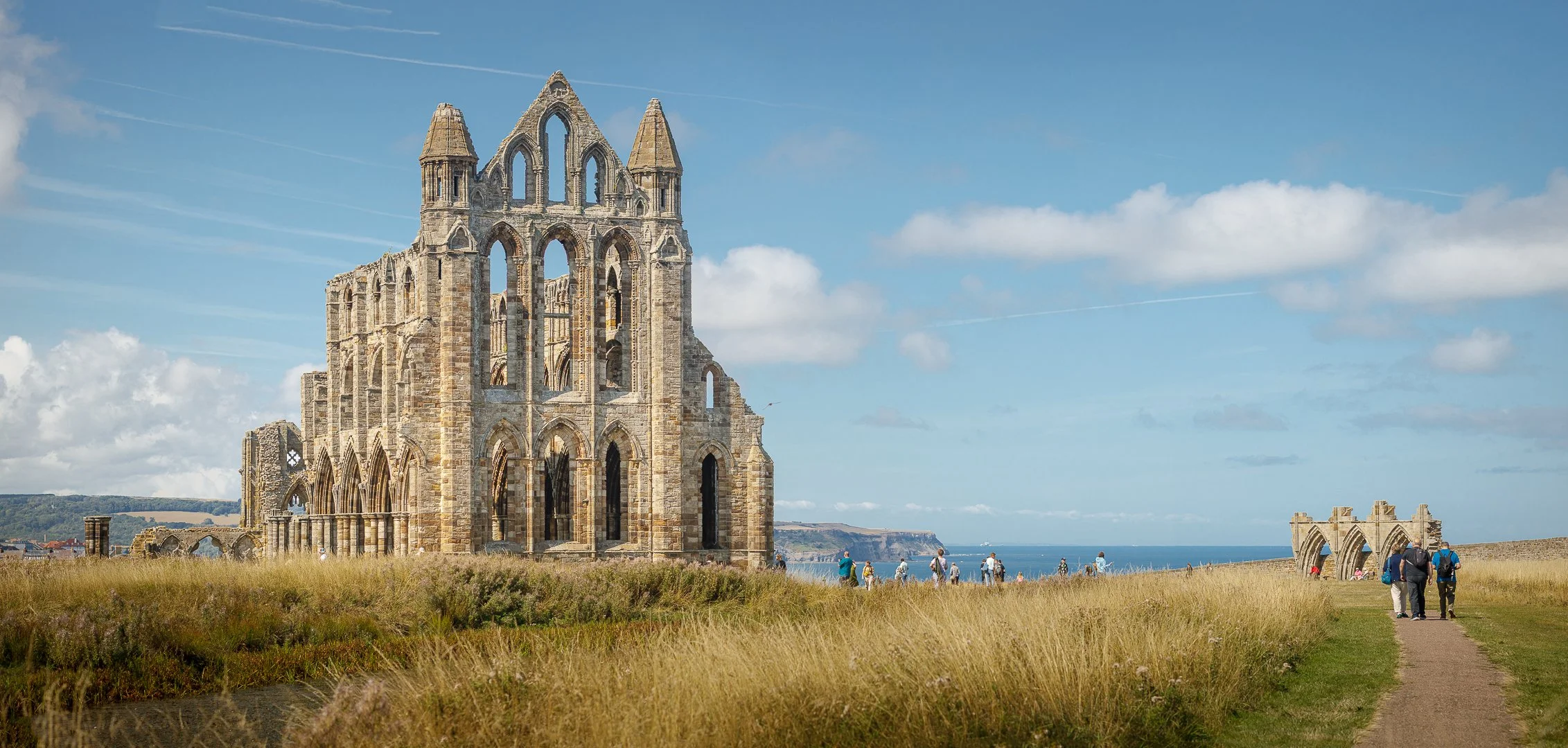
My first stop was Whitby Abbey, where I parked up and got straight to work. The summer sun was incredibly bright, casting hard shadows across the historic ruins. These conditions can be challenging, with bright highlights and dark areas competing for attention in the same frame.
Shooting in manual mode, I worked through the exposure triangle, setting each part of the exposure deliberately.
ISO 100: With so much available light, there was no need to increase my ISO. Keeping it low helped maintain image quality.
Aperture f/5.6: I chose an aperture based on the depth of field I wanted, keeping the scene sharp without unnecessarily restricting the light entering the camera.
Shutter speed 1/1000 sec: I was handholding the camera, leaning over a wall and photographing a scene with birds flying and tourists walking around. This fast shutter speed helped freeze the movement and minimise camera shake.
The key here was understanding that each setting has a job to do. ISO controlled the camera's sensitivity setting, aperture influenced depth of field, and shutter speed controlled how movement appeared in the photograph.
Knowing how these three settings work together meant I could respond to the conditions quickly rather than relying on automatic mode to make the decisions for me.
2. Capturing Whitby Harbour from St Mary's Church
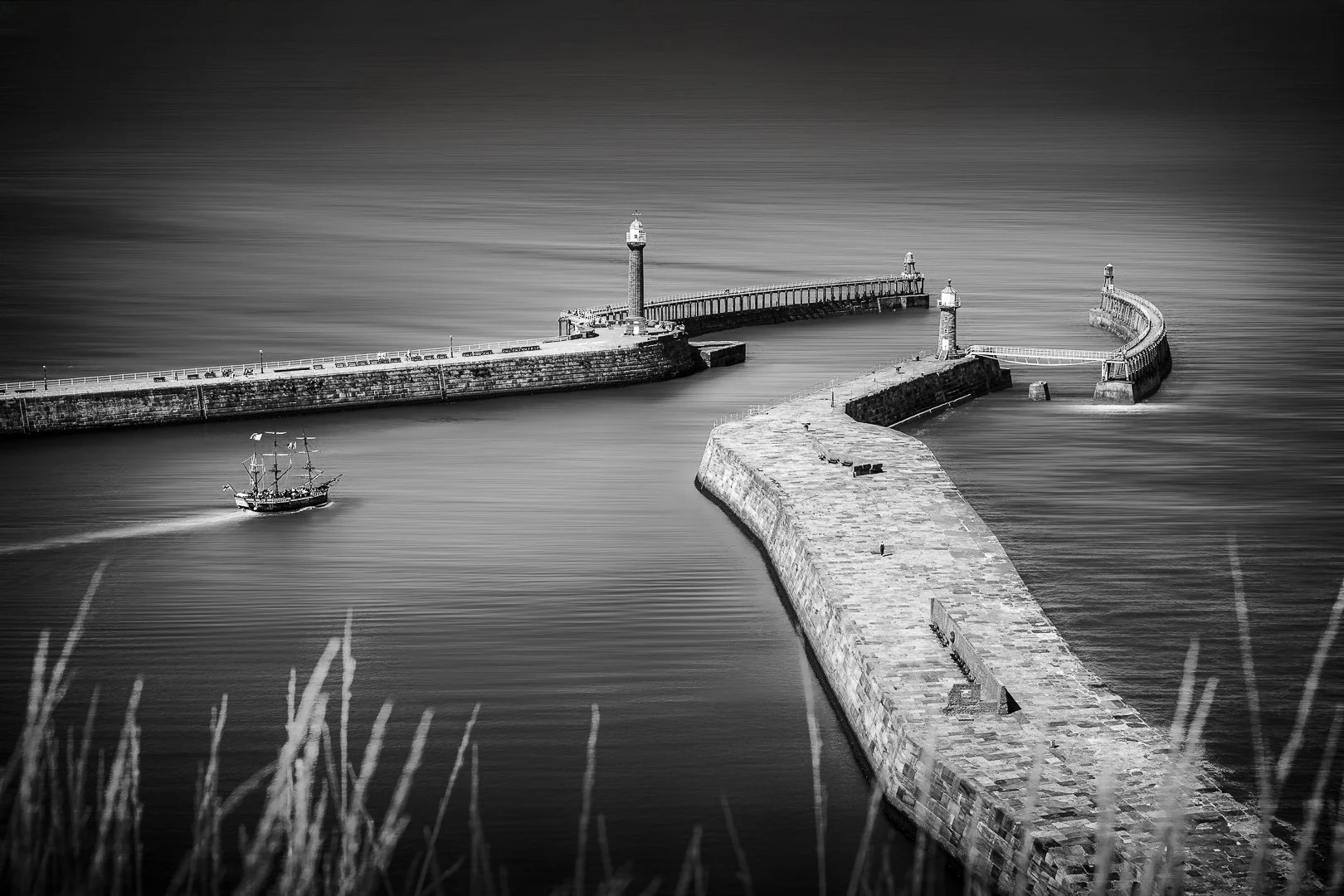
Next, I headed to St Mary's Church, which offers a fantastic view over Whitby Harbour. I wanted a black-and-white photograph of a boat leaving the harbour, with a composition that would work well for a long-exposure effect.
There was a catch: I was photographing a moving boat at a relatively fast shutter speed, intending to create the long-exposure look later in post-processing.
I started with aperture f/8, giving me a deeper depth of field and helping to keep the scene sharp. I then set ISO 100 to maintain image quality before choosing a shutter speed of 1/320 sec. This was fast enough to capture the boat sharply in the conditions.
I also included a little grass in the foreground. This small compositional decision added depth and helped draw the viewer into the scene.
Then it was simply a case of waiting for the right subject. Before long, a pirate-style ship departed the harbour, giving me exactly the photograph I had been waiting for.
The exposure triangle isn't just about getting the right brightness. It is about making creative decisions. By choosing my aperture and shutter speed deliberately, I had a clear plan for the image before the boat even appeared.
3. A Yellow Boat, Bright Buildings and a Flying Seagull
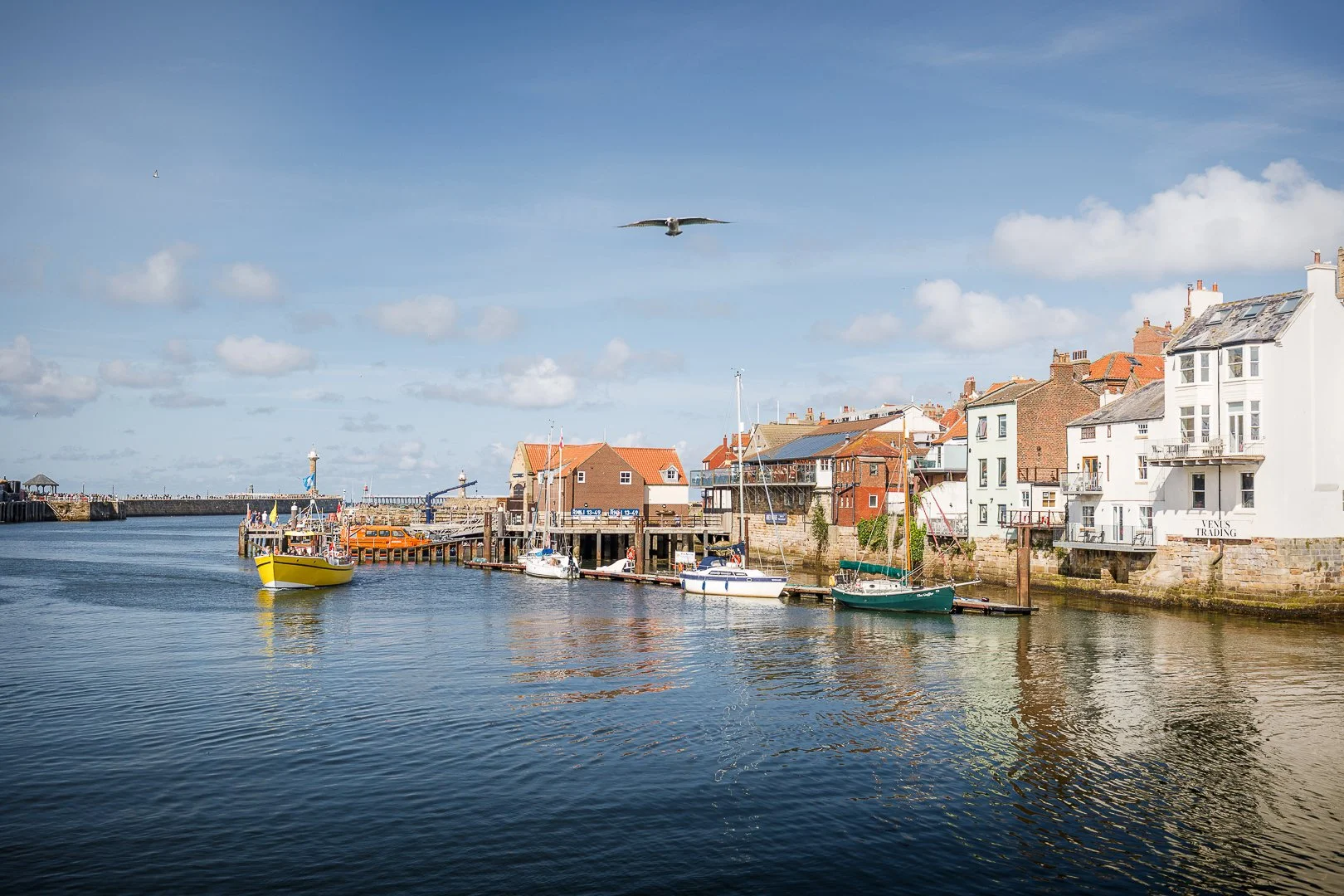
Moving through the town, I spotted a postcard-worthy view from the bridge over the harbour. A distinctive yellow boat was pulling into port, surrounded by the colourful buildings that make Whitby so recognisable.
This scene presented a different exposure challenge. The brightness varied considerably across the frame, and a white house on the right-hand side was a particular concern. In bright summer light, white surfaces can easily lose detail if the highlights become overexposed.
As I composed the image, I spotted a seagull flying through the scene. Rather than wait for it to disappear, I decided to include it.
I selected f/4 at a focal length of 35mm, giving me an appropriate depth of field for the composition, and a shutter speed of 1/1250 sec to freeze the bird's movement.
This is where understanding the relationship between aperture and shutter speed really helps. A wider aperture lets in more light, so a faster shutter speed can balance the exposure while helping to freeze movement.
With bright buildings, a colourful boat and a moving bird all competing for attention, I needed to think about both the exposure and the composition. The aim was to retain as much highlight detail as possible while capturing the moment.
4. Captain Cook, Seagulls and a Jet Stream
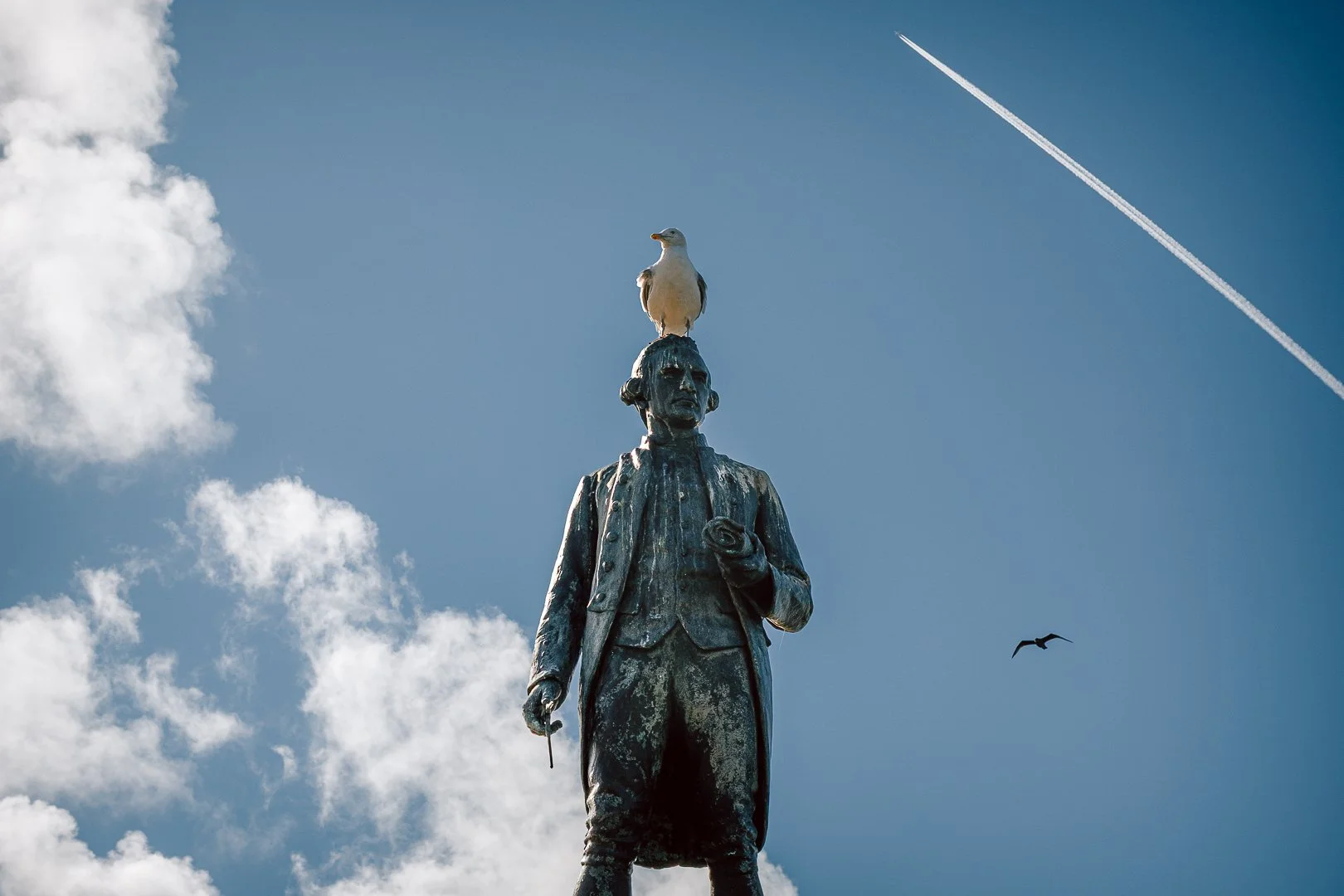
My final stop was the Captain Cook Memorial Statue. By this point, I had already captured a good range of photographs, but the scene offered one more opportunity to put my camera settings to work.
A seagull was perched on top of the statue, with more birds flying across the sky. High above them, an aeroplane passed overhead, leaving a jet stream behind it.
There was a lot happening in the frame, so I settled on the following settings:
Aperture f/10: To achieve a deeper depth of field and keep the statue and surrounding scene acceptably sharp.
ISO 100: To make the most of the bright conditions while keeping image noise low.
Shutter speed 1/500 sec: To help freeze the moving birds and capture the scene clearly.
Once again, the exposure triangle allowed me to balance the amount of light entering the camera with the depth of field and motion-freezing effect I wanted.
The important thing was not memorising a particular combination of settings. It was understanding why I was choosing them and how I could adjust them if the light or subject changed.
Why the Exposure Triangle becomes so important
Looking back at the photographs from Whitby, I was pleased with the variety I had captured during a relatively short visit. From the dramatic ruins of the abbey to the boats and birds around the harbour. But each scene had presented a slightly different challenge.
The summer sunlight was bright and unforgiving, and understanding the exposure triangle helped me make decisions about camera settings with confidence.
Adjusting each setting independantly, but always keeping in mind that all three elements work together:
Aperture controls how much light enters the lens and influences depth of field.
Shutter speed controls how long the sensor is exposed to light and how movement is rendered.
ISO determines the sensor's amplification or sensitivity setting, affecting the exposure and image noise.
The trick is to understand which setting matters most for the photograph you want to create.
When photographing moving subjects, shutter speed might take priority. When you want a particular depth of field, aperture might be your starting point. In bright conditions, a low ISO is often a sensible choice, giving you more flexibility with your other settings.
It is also worth remembering that the exposure triangle cannot, by itself, eliminate the contrast between bright highlights and deep shadows. In harsh sunlight, you still need to pay attention to where you meter - or how to read a histogram - protect important highlights and decide which parts of the scene deserve the most detail. Sometimes that means accepting darker shadows or making additional adjustments in post-processing.
The real benefit of understanding the exposure triangle is that you can make these decisions intentionally, rather than hoping your camera gets them right.
Ready to Get Off Auto?
You don't need to memorise hundreds of camera settings to take better photographs. You need to understand the fundamentals and learn how to apply them to real-world situations.
That's exactly what my Get Off Auto photography workshop in Manchester is designed to help you do. We explore the exposure triangle, learn how aperture, shutter speed and ISO work together, and build the confidence to take control of your camera.
So if you ever find yourself switching between automatic modes and wondering why your photographs aren't turning out as you imagined, this is a great place to start.
Discover the Exposure Triangle Workshop for Beginners in Manchester and start making more confident creative decisions with your camera.
Dave
August 2026